
De opzienbarende toespraak van de Amerikaanse vice-president J.D. Vance in München eerder dit jaar is geen incident geweest, maar uitvloeisel van een heuse Amerikaanse buitenland-doctrine: de Verenigde Staten willen ‘regime change’ in Europa, in de vorm – onder andere – van een terugkeer naar ‘traditionele waarden’, meer ruimte voor religie in de openbare ruimte en de opheffing van beperkingen op wat gezegd kan worden op digitale platforms zoals ‘X’. De VS zijn alleszins bereid om op te komen voor de ‘gemeenschappelijke waarden’ die Europa en de VS samen hebben, maar extreem-rechtse partijen als de AfD in Duitsland, het Rassemblement National in Frankrijk en andere in die hoek zijn de beste hoeders van deze waarden. Vooral ook het Hongarije van Viktor Orban natuurlijk, die ‘geheel ten onrechte wordt afgeschilderd als autoritair en schender van de mensenrechten’.
Deze nieuwe Amerikaanse houding tegenover Europa – die niet zonder gevolgen lijkt te blijven voor Amerikaans-Europese samenwerking in Navo-verband of afspraken tussen de VS en de Europese Unie over douanetarieven – komt naar voren uit een bijdrage op een substack-blog van het Amerikaanse ministerie van buitenlandse zaken. Auteur van de tekst is een zekere Samuel Samson. Zonder veel omhaal maakt de tekst duidelijk dat de regering Trump verwacht dat de omwenteling in de politieke cultuur die zich sinds het begin van Trumps tweede ambtstermijn voltrekt, ook van Europa wordt verwacht. Ter onderbouwing van dit streven komt Samson met een summiere omschrijving van de tussen Europa en de VS gedeelde waarden, waarin wel plaats is voor het middeleeuwse christendom, maar niet voor de Franse revolutie en de Verlichting, die niettemin mede aan de basis van de Amerikaanse onafhankelijkheid heeft gelegen.
De Europese Unie komt in de tekst in het geheel niet voor. Meer in het algemeen wordt er geklaagd over een ‘agressieve campagne tegen de Westerse beschaving’ in Europa, en over ‘politieke instituties’ die ‘tegen de bevolking’ worden ingezet. Een en ander zou met name blijken uit ‘digitale censuur’ zoals die van de (Europese) Digital Services Act, uit het toelaten van ‘massale migratie’, het beperken van religieuze vrijheden (bijvoorbeeld het bidden bij de ingang van abortus-klinieken in Groot-Brittannië), en het buiten de wet plaatsen van bepaalde onwelgevallige politieke uitingen – de tekst lijkt hier met name te verwijzen naar Duitse maatregelen tegen neo-nazi’s en ‘Reichsbürger’.
Zulk optreden is de Amerikanen vertrouwd, schrijft Samson: het zijn uitvloeisels van hetzelfde ‘Global liberal project’ waarmee in de VS is geprobeerd Trump dwars te zitten. Erg is ook dat door de Europese maatregelen ter beperking van ‘free speech’ op digitale platforms ook Amerikaanse burgers en bedrijven in hun rechten worden beknot.
In de tekst wordt hoog opgegeven van de ‘beschaving-verbondenheid’ tussen Europa en de VS die ook in de toekomst bewaard zou moeten blijven. Maar het lijdt geen twijfel dat daarmee een reactionair Europa van ‘traditionele waarden’ – niet toevallig een kreet van de Russische president Poetin – wordt bedoeld. De Europese Unie is bij de totstandkoming van zo’n kralenketting van christelijke naties duidelijk geen factor van waarde.
Natuurlijk is het niet de eerste keer dat de VS openlijk ‘regime change’ in andere landen bepleiten, maar na het einde van de Koude oorlog ging het er dan meestal om democratie en vrije handel te bevorderen. Onder Trump daarentegen lijkt iets heel anders te spelen: nu wordt van de als vazallen aangesproken Europese landen verwacht dat zij democratie en vrijhandel afzweren, en zich voegen naar de dommigheid en het autoritarisme die in Washington de toon aangeven. Daarvan kan, naar mij lijkt, geen sprake zijn. De consequentie eens te meer: Europa staat er alleen voor.
Hieronder de gewraakte tekst, met daaronder weer een link naar de substack:
The Need for Civilizational Allies in Europe
Author: Samuel Samson
Senior Advisor for the Bureau for Democracy, Human Rights, and Labor (DRL)
The close relationship between the United States and Europe transcends geographic proximity and transactional politics. It represents a unique bond forged in common culture, faith, familial ties, mutual assistance in times of strife, and above all, a shared Western civilizational heritage.
Our transatlantic partnership is underpinned by a rich Western tradition of natural law, virtue ethics, and national sovereignty. This tradition flows from Athens and Rome, through medieval Christianity, to English common law, and ultimately into America’s founding documents. The Declaration’s revolutionary assertion that men “are endowed by their Creator with certain unalienable rights” echoes the thought of Aristotle, Thomas Aquinas, and other European heavyweights who recognized that all men possess natural rights that no government can arbitrate or deny. America remains indebted to Europe for this intellectual and cultural legacy.
This connection between Europe and the United States is also the reason we speak honestly when we disagree or have concerns—and is why the Trump Administration is sounding the alarm in Europe. When Vice President Vance addressed this year’s Munich Security Conference, he made the reason clear, stating: “What I worry about is the threat from within, the retreat of Europe from some of its most fundamental values—values shared with the United States of America.”
In the aftermath of two devastating world wars, European nations sought to prevent future catastrophes by creating supranational structures that would bind nations closer together and allow for more substantial diplomatic and economic engagements. Proponents of this new order, including well-meaning Christian and pro-democracy parties, sought a grand transformation—a world that would transcend the divisiveness of nationality and creed to usher in an era of unprecedented peace. By overcoming the anchors of nationhood, culture, and tradition, global liberalism promised what Francis Fukuyama famously called the “end of history,” the ultimate innovation of political life.
Today, this promise lies in tatters. What endures instead is an aggressive campaign against Western civilization itself. Across Europe, governments have weaponized political institutions against their own citizens and against our shared heritage. Far from strengthening democratic principles, Europe has devolved into a hotbed of digital censorship, mass migration, restrictions on religious freedom, and numerous other assaults on democratic self-governance.
These concerning trends have only increased in recent years. In the United Kingdom, police are arresting Christians—such as Adam Smith-Connor and Livia Tossici-Bolt—for silently praying outside of abortion clinics. In 2023, over 12,000 British citizens were arrested for online posts, including comments critical of Europe’s migration crisis, that authorities deemed to be “grossly offensive.”
In Germany, the government has established elaborate systems to monitor and censor online speech under the guise of combating disinformation and preventing offense. When German citizens express legitimate concerns about the economic and social impacts of globalization or criticize politicians, they risk being fined, labeled as radicals, or even having their homes raided by law enforcement. The European Union’s Digital Services Act, billed to protect children from harmful online content, is instead used to silence dissident voices through Orwellian content moderation. Independent regulators now police social media companies, including prominent American platforms like X, and threaten immense fines for non-compliance with their strict speech regulations.
This environment also restricts Europe’s elections. As recently highlighted by Secretary Rubio, the popular Alternative für Deutschland party was just labeled an “extremist” organization by German intelligence, which could lead to the party’s exclusion from the electoral process. Leading French presidential candidate Marine LePen was charged with embezzlement and, departing from standard procedure, immediately banned from running. Restrictions have likewise occurred in Poland and Romania against select political parties or politicians. Simultaneously, Christian nations like Hungary are unjustly labeled as authoritarians and human rights abusers.
Americans are familiar with these tactics. Indeed, a similar strategy of censorship, demonization, and bureaucratic weaponization was utilized against President Trump and his supporters. What this reveals is that the global liberal project is not enabling the flourishing of democracy. Rather, it is trampling democracy, and Western heritage along with it, in the name of a decadent governing class afraid of its own people.
Our concerns are not partisan but principled. The suppression of speech, facilitation of mass migration, targeting of religious expression, and undermining of electoral choice threatens the very foundation of the transatlantic partnership. A Europe that replaces its spiritual and cultural roots, that treats traditional values as dangerous relics, and that centralizes power in unaccountable institutions is a Europe less capable of standing firm against external threats and internal decay. To this end, achieving peace in Europe and around the world requires not a rejection of our shared cultural heritage, but a renewal of it.
Secretary Rubio has made clear that the State Department will always act in America’s national interest. Europe’s democratic backsliding not only impacts European citizens but increasingly affects American security and economic ties, along with the free speech rights of American citizens and companies.
Our hope is that both Europe and the United States can recommit to our Western heritage, and that European nations will end the weaponization of government against those seeking to defend it. We will not always agree on scope and tactics, but tangible actions by European governments to guarantee protection for political and religious speech, secure borders, and fair elections would serve as welcome steps forward.
The United States remains committed to a strong partnership with Europe and working together on shared foreign policy goals. However, this partnership must be founded upon our shared heritage rather than globalist conformity. Our relationship is too important, our history too valuable, and the international stakes too high to allow this partnership to be undermined. Therefore, on both sides of the Atlantic, we must preserve the goods of our common culture, ensuring that Western civilization remains a source of virtue, freedom, and human flourishing for generations to come.
De tekst op de originele site van het State Department:
https://statedept.substack.com/p/the-need-for-civilizational-allies-in-europe
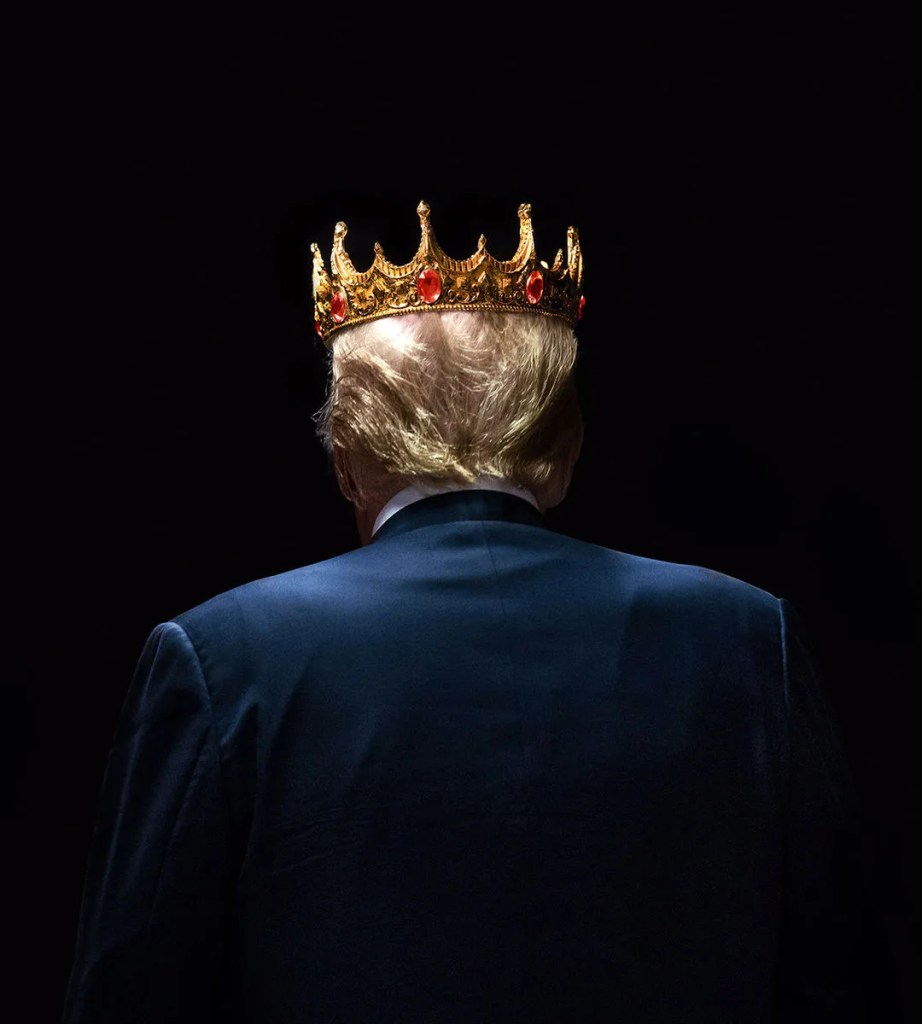
Afbeelding The Economist
 We'll always have Paris
Terwijl Laïcité in de Franse maatschappij behoorlijk vast verankerd is, is God in de VS overal aanwezig. De Verlichting heeft daar een andere afslag genomen. En we mogen niet vergeten dat de Verlichting zowel de Girondijnen als de Jacobijnen heeft voortgebracht.
LikeLike